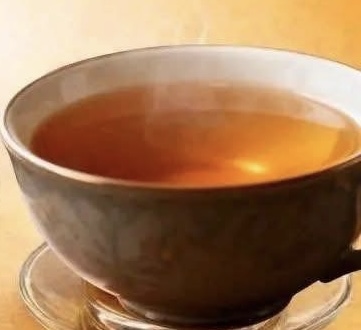
Clove tea is a warm, aromatic herbal drink made by steeping whole cloves in hot water. Cloves are the dried flower buds of the clove tree and have been used traditionally in cooking and herbal practices for centuries. Their distinctive flavor comes largely from eugenol, a natural compound with antioxidant and anti-inflammatory properties.
Clove tea has become popular among people looking for simple ways to support digestion, overall wellness, and a healthy lifestyle. However, some claims circulating online—such as clove tea being able to “cleanse the lungs” or directly burn body fat—are stronger than the available scientific evidence. Understanding what clove tea may realistically offer can help you enjoy it safely and responsibly.
What Is Clove Tea?
Clove tea is usually prepared by steeping several whole cloves in hot water. The process allows aromatic compounds and other substances from the cloves to dissolve into the water, creating a naturally fragrant beverage with a warm, slightly spicy taste.
Cloves contain several plant compounds, including eugenol, which has been studied for antioxidant and antimicrobial activity. They also contain small amounts of vitamins, minerals, and other phytochemicals.
Because clove tea is generally consumed in relatively small quantities, it should not be considered a substitute for a balanced diet, medical treatment, or prescribed medication.
Clove Tea and Antioxidant Support
One of the most interesting properties of cloves is their antioxidant content. Antioxidants help protect cells from oxidative stress caused by unstable molecules known as free radicals.
Eugenol and other compounds found in cloves have demonstrated antioxidant activity in laboratory research. Including antioxidant-rich foods and beverages as part of a varied diet may contribute to overall health.
However, drinking clove tea should not be viewed as a treatment for diseases caused by oxidative stress. More human research is needed to determine the specific health effects of regularly drinking clove tea.
May Support a Healthy Inflammatory Response
Cloves have traditionally been valued for their soothing properties, and laboratory studies suggest that compounds found in cloves may influence pathways associated with inflammation.
This is one reason clove tea is sometimes promoted as a natural anti-inflammatory drink. Nevertheless, laboratory findings do not automatically mean that drinking clove tea will treat inflammation or inflammatory diseases in humans.
For general wellness, clove tea can be enjoyed alongside an overall healthy eating pattern that includes vegetables, fruits, whole grains, legumes, nuts, and other nutrient-rich foods.
Can Clove Tea Help With Headaches?
Cloves have traditionally been used in various cultures for discomfort and digestive complaints. The aromatic properties of cloves may also make a warm cup of clove tea relaxing.
However, there is not enough reliable evidence to say that clove tea cures headaches. Headaches can have many causes, including dehydration, lack of sleep, stress, caffeine changes, infections, or other medical conditions.
If headaches are frequent, severe, suddenly different from usual, or accompanied by symptoms such as weakness, confusion, vision problems, or difficulty speaking, medical evaluation is important.
Does Clove Tea Improve Circulation?
Claims that clove tea dramatically improves blood circulation are common online, but strong clinical evidence supporting this specific claim is limited.
Cloves contain bioactive compounds that have been investigated for various biological effects, but this does not mean that clove tea can treat poor circulation or cardiovascular disease.
For healthy circulation, regular physical activity, maintaining a healthy weight, avoiding tobacco, managing blood pressure and cholesterol, and following a balanced diet are much more important.
Clove Tea and Digestion
Cloves have traditionally been used as a digestive spice. A warm herbal drink may also feel soothing after a meal.
Some people drink clove tea because they believe it helps with gas, bloating, or digestive discomfort. While traditional use and preliminary research are interesting, evidence specifically proving that clove tea treats digestive disorders remains limited.
If persistent abdominal pain, vomiting, unexplained weight loss, blood in the stool, or ongoing digestive symptoms occur, it is better to consult a healthcare professional rather than relying on herbal drinks.
Can Clove Tea Burn Fat?
Clove tea is sometimes promoted online as a natural fat-burning beverage. This claim should be treated cautiously.
There is no strong evidence that simply drinking clove tea causes significant fat loss. Weight management depends primarily on overall calorie intake, food quality, physical activity, sleep, and long-term lifestyle habits.
Clove tea can be a flavorful low-calorie beverage when prepared without large amounts of sugar. Replacing sugary drinks with unsweetened tea may indirectly support a healthy weight, but that is different from saying that cloves themselves burn body fat.
Does Clove Tea Cleanse the Lungs?
Another popular claim is that clove tea “cleanses” or detoxifies the lungs. There is no good evidence that drinking clove tea physically cleans the lungs of toxins or removes the effects of smoking.
The lungs have natural mechanisms for clearing particles and mucus. The most important step for protecting lung health is avoiding smoking and exposure to tobacco smoke and other harmful pollutants.
Clove tea may be enjoyed as a warm beverage, but it should not be considered a lung detox treatment.
Potential Benefits for Skin Health
Cloves contain antioxidant compounds, which is one reason they are sometimes associated with healthy-looking skin. A nutritious diet, adequate hydration, sufficient sleep, sun protection, and appropriate skincare have much stronger practical importance for maintaining skin health.
There is not enough evidence to conclude that drinking clove tea alone improves acne, wrinkles, pigmentation, or other skin conditions.
How to Make Clove Tea
Making clove tea is simple and requires only a few ingredients.
Ingredients:
- 3–5 whole cloves
- 1 cup of hot water
- Optional: a small piece of cinnamon or fresh ginger
- Optional: lemon for flavor
Directions:
- Bring one cup of water to a boil.
- Add the whole cloves.
- Reduce the heat and gently simmer for about 5–10 minutes, or steep the cloves in freshly boiled water.
- Strain the tea into a cup.
- Allow it to cool slightly before drinking.
- Add lemon or another natural flavoring if desired.
Avoid adding large amounts of sugar if you are trying to keep the drink low in calories.
Is Clove Tea Safe?
For most healthy adults, an occasional cup of clove tea made with a small culinary amount of whole cloves is generally reasonable. However, concentrated clove products and clove oil are very different from ordinary clove tea.
Large amounts of cloves or concentrated eugenol may cause unwanted effects. Clove products may also interact with certain medicines, particularly those affecting blood clotting or blood sugar.
People who take regular medications, have a bleeding disorder, have surgery planned, are pregnant or breastfeeding, or have other medical conditions should ask a healthcare professional before using concentrated clove preparations regularly.
Clove oil should not be swallowed unless specifically directed by a qualified healthcare professional.
Final Thoughts
Clove tea is a flavorful traditional beverage containing plant compounds such as eugenol that have antioxidant and other biological properties. It can be a pleasant addition to a healthy diet, particularly when consumed without excessive sugar.
However, popular claims that clove tea cures headaches, dramatically improves circulation, cleanses the lungs, burns fat, or treats disease are not well established by human research. The best approach is to enjoy clove tea as a complementary beverage rather than a miracle remedy.
A healthy lifestyle—including nutritious food, regular movement, adequate sleep, avoiding tobacco, and appropriate medical care—remains the foundation of long-term health.