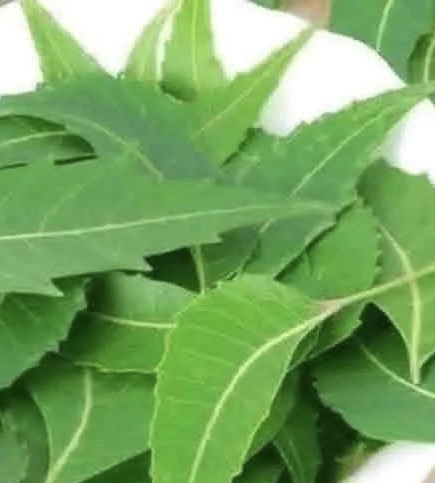
Papaya leaves have become increasingly popular in natural health discussions, especially in social media posts claiming that a single leaf can “destroy” diabetes, lower high blood pressure, reduce cholesterol, eliminate body pain, and improve poor circulation. While papaya leaves contain several naturally occurring compounds that are being studied for their potential health effects, these claims are much stronger than the available scientific evidence supports.
Papaya, scientifically known as Carica papaya, is a tropical plant traditionally used in different cultures for food and herbal purposes. Its leaves contain enzymes, antioxidants, vitamins, minerals, and other plant compounds. However, consuming papaya leaves should not be considered a replacement for medical treatment, particularly for chronic conditions such as diabetes or hypertension.
What Nutrients and Compounds Are Found in Papaya Leaves?
Papaya leaves contain various plant compounds, including antioxidants and enzymes. Researchers have investigated compounds in papaya for their potential antioxidant and anti-inflammatory properties.
Antioxidants help protect cells from oxidative stress caused by unstable molecules called free radicals. A diet rich in naturally occurring antioxidants from fruits and vegetables can contribute to overall health.
Papaya leaves also contain enzymes and other bioactive substances that have attracted scientific interest. However, the presence of potentially beneficial compounds does not automatically mean that drinking papaya leaf juice or eating papaya leaves will treat a particular disease.
The effects of an isolated plant preparation can also differ depending on the amount consumed, preparation method, concentration, and individual health status.
Papaya Leaves and Diabetes
One of the most common claims surrounding papaya leaves is that they can cure or “destroy” diabetes. There is currently no good evidence that papaya leaves can cure diabetes.
Some laboratory and animal research has investigated papaya-related compounds and blood glucose metabolism. These findings may be interesting for future research, but laboratory or animal results cannot be assumed to have the same effect in humans.
People with diabetes should continue following their prescribed treatment plan, monitoring blood glucose levels, eating a balanced diet, and maintaining appropriate physical activity.
Replacing diabetes medication with papaya leaf preparations could result in dangerously high blood sugar levels and serious complications.
Can Papaya Leaves Lower High Blood Pressure?
High blood pressure is another condition frequently mentioned in claims about papaya leaves. Although papaya contains various nutrients and plant compounds, there is insufficient clinical evidence to conclude that papaya leaf tea or juice reliably lowers blood pressure in people with hypertension.
Healthy blood pressure management usually involves a combination of lifestyle measures and, when necessary, prescribed medication.
Reducing excessive sodium intake, maintaining a healthy weight, exercising regularly, limiting alcohol, avoiding tobacco, managing stress, and following medical advice can all play important roles in cardiovascular health.
Papaya leaves should not be used as a substitute for blood pressure medication.
Do Papaya Leaves Lower Cholesterol?
High cholesterol is often associated with an increased risk of cardiovascular disease. Some plant-based foods can support a heart-healthy eating pattern because they provide fiber and beneficial plant compounds.
However, there is not enough high-quality human evidence to claim that papaya leaves significantly lower cholesterol levels or remove cholesterol from the arteries.
If you have elevated cholesterol, it is better to focus on an overall heart-healthy diet that includes vegetables, fruits, whole grains, legumes, nuts, seeds, and other nutrient-rich foods. Your healthcare professional can also determine whether medication is appropriate based on your individual risk factors.
Papaya Leaves and Poor Circulation
Poor circulation can have many different causes. It may be related to vascular disease, diabetes, smoking, inactivity, blood clots, or other medical conditions.
Because circulation problems can sometimes indicate an underlying health issue, they should not automatically be treated with herbal remedies.
There is no strong clinical evidence showing that papaya leaves can “clean” blood vessels or restore circulation in people with vascular disease.
If you experience persistent swelling, cold extremities, skin color changes, numbness, pain, or unexplained changes in circulation, medical evaluation is important.
Can Papaya Leaves Reduce Body Pain?
Papaya leaves are sometimes described as a natural pain reliever because of their potential antioxidant and anti-inflammatory compounds. However, evidence supporting papaya leaf preparations as a reliable treatment for chronic or severe pain is limited.
Pain is a symptom rather than a single disease. Treating the underlying cause is usually more important than simply attempting to suppress the symptom.
For persistent pain, a healthcare professional can help determine whether the cause is muscular, neurological, inflammatory, circulatory, or related to another condition.
How Are Papaya Leaves Traditionally Prepared?
In traditional practices, papaya leaves may be prepared as tea, juice, extracts, or cooked leaves. Preparation methods vary considerably.
If someone chooses to consume papaya leaves as a food or traditional preparation, it is important not to assume that a larger quantity will provide greater health benefits. Concentrated homemade preparations can differ significantly in strength and may not have predictable doses.
Papaya leaf products should also be approached carefully by people taking prescription medications or managing chronic health conditions.
Are Papaya Leaves Safe for Everyone?
Natural does not always mean risk-free. Papaya leaves contain biologically active compounds, and their effects may vary from person to person.
Pregnant individuals, children, people with chronic illnesses, and anyone taking regular medication should speak with a qualified healthcare professional before using concentrated papaya leaf preparations.
It is also important to distinguish between eating a plant as part of a normal diet and consuming concentrated herbal extracts. These are not necessarily equivalent in terms of dose or safety.
A Better Approach to Diabetes, Blood Pressure, and Cholesterol
Rather than looking for one “miracle leaf,” long-term health is better supported by consistent lifestyle habits.
A balanced diet based on vegetables, fruits, legumes, whole grains, lean protein, and healthy fats can provide a wide range of nutrients. Regular physical activity supports cardiovascular health, blood sugar regulation, and healthy body weight.
Regular medical checkups are also important. Blood pressure, blood glucose, and cholesterol can often change without obvious symptoms, which is why testing is valuable even when a person feels healthy.
The Bottom Line
Papaya leaves are an interesting traditional plant food with naturally occurring antioxidants and other bioactive compounds. However, the claim that one papaya leaf can cure diabetes, eliminate high blood pressure, lower cholesterol, remove body pain, and restore poor circulation is not supported by sufficient human clinical evidence.
Papaya leaves may have potential health benefits that deserve further research, but they should not replace proven medical treatments. For chronic conditions such as diabetes, hypertension, high cholesterol, or circulation problems, the safest approach is to combine healthy lifestyle habits with appropriate medical care.
A natural remedy can be part of a healthy lifestyle, but no single leaf should be promoted as a cure for multiple serious diseases.