Kidney health plays an important role in overall well-being because the kidneys help filter waste and excess fluids from the blood. Creatinine is one of the waste products commonly measured through a blood test to help evaluate kidney function. When creatinine levels are elevated, the cause can vary, including dehydration, certain medications, intense exercise, muscle-related factors, or reduced kidney function.
You may see social media posts claiming that a specific recipe or combination of foods can “erase kidney disease” or dramatically lower creatinine in just a few minutes. These claims are misleading. No food or homemade recipe can cure kidney disease in five minutes, and dietary changes should not replace medical evaluation or treatment.
However, a balanced diet can play an important role in supporting kidney health. The right choices depend on your individual kidney function, blood pressure, medications, and laboratory results. Here are eight nutritious foods that may fit into a kidney-conscious eating pattern for some people.
1. Apples
Apples are naturally low in sodium and provide fiber and antioxidants. They can be a convenient snack and may help replace highly processed foods that contain excessive salt. Enjoy an apple whole rather than relying on sweetened juices or heavily processed apple products.
2. Berries
Strawberries, blueberries, raspberries, and similar fruits contain antioxidants and can add flavor without requiring large amounts of added sugar or salt. Berries can be eaten fresh, mixed into oatmeal, or added to plain yogurt when appropriate for your dietary needs.
3. Cabbage
Cabbage is a versatile vegetable that can be used in salads, soups, or cooked dishes. It provides vitamins and fiber while allowing you to build meals around vegetables rather than processed foods. Avoid preparing it with large quantities of salt or salty sauces.
4. Cauliflower
Cauliflower can be used as a vegetable side dish or as an alternative to some higher-carbohydrate foods. Roasting or steaming it with herbs, garlic, lemon, or other salt-free seasonings can create a flavorful meal without relying heavily on sodium.
5. Bell Peppers
Bell peppers provide vitamin C and other nutrients and can add color and flavor to meals. They can be eaten raw, roasted, grilled, or incorporated into vegetable dishes. Using fresh vegetables instead of packaged foods can also make it easier to control sodium intake.
6. Garlic
Garlic is useful for adding flavor without depending on large amounts of salt. Fresh garlic can be combined with herbs, lemon, olive oil, and vegetables to create flavorful meals. If you have kidney disease, remember that individual dietary requirements can differ considerably.
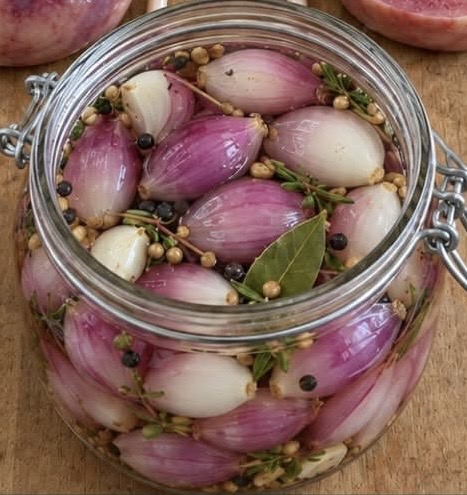
7. Onions
Onions can provide flavor and texture to many meals while helping reduce the need for excessive salt. They can be cooked with vegetables, added to salads, or used as part of homemade dishes.
8. Fish and Other Appropriate Protein Sources
Protein requirements can change depending on kidney function and the stage of kidney disease. Some people may benefit from moderate portions of high-quality protein, while others may need specific restrictions. Fish can be a nutritious source of protein and healthy fats, but preparation matters. Fresh or minimally processed options are generally preferable to heavily salted or processed products.
What About Creatinine?
Creatinine should not be treated as a number that can simply be “flushed out” with a particular food or drink. A high creatinine result needs to be interpreted alongside other information, such as estimated glomerular filtration rate (eGFR), medical history, medications, hydration status, and other laboratory tests.
Drinking an appropriate amount of water may help if dehydration is contributing to an abnormal result, but excessive water intake is not a treatment for kidney disease and can be dangerous for some people with impaired kidney function.
Foods to Be Careful With
People with kidney disease may need to monitor certain nutrients, depending on their individual condition. These can include sodium, potassium, phosphorus, and protein. Processed meats, instant meals, salty snacks, fast food, and foods containing large amounts of added salt can be particularly problematic for people who have been advised to follow a low-sodium diet.
Importantly, there is no single kidney diet that is appropriate for everyone. Someone with early kidney disease may have very different dietary requirements from someone with advanced kidney disease or someone receiving dialysis.
A Better Approach to Kidney Health
Instead of looking for a five-minute remedy, focus on sustainable habits. Choose more minimally processed foods, keep sodium intake under control when recommended, maintain a healthy weight, stay physically active as appropriate, and follow your healthcare professional’s advice about blood pressure, diabetes, medications, and kidney monitoring.
If a blood test shows elevated creatinine, do not attempt to lower the number with a homemade remedy without understanding why it is elevated. Ask a healthcare professional to interpret the result and determine whether additional testing is necessary.
The key message is simple: healthy foods can support overall nutrition and may be part of a kidney-friendly eating pattern, but no eight-food recipe can erase kidney disease or lower creatinine within five minutes. Kidney health requires an individualized approach based on the underlying cause and your medical test results.