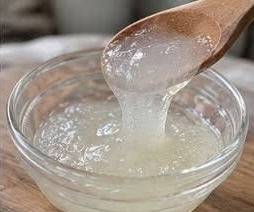
Aloe vera has long been used in skincare routines because of its soothing and moisturizing properties. Today, many people are looking for simple, affordable ways to care for their skin at home without relying on expensive creams. Combining aloe vera gel with carefully selected ingredients may help improve skin hydration, soften the appearance of fine lines, and leave the face looking fresher.
Although online claims sometimes suggest that homemade skincare mixtures can erase every wrinkle overnight, the reality is different. Wrinkles develop naturally with age, and no simple home remedy can permanently eliminate them in a single night. However, a consistent skincare routine can help the skin look smoother, healthier, and more radiant.
Why Aloe Vera Is Popular in Natural Skincare
Aloe vera is a succulent plant whose transparent inner gel contains water, polysaccharides, and other compounds commonly used in cosmetic products. Its lightweight texture makes it suitable for people who prefer a refreshing moisturizer that does not feel overly heavy on the skin.
One of its main benefits is hydration. Well-hydrated skin often appears softer and temporarily shows fine lines less prominently. Aloe vera can also provide a soothing sensation, making it a popular ingredient in products designed for dry or irritated skin.
However, aloe vera is not a miracle anti-aging treatment. Its effects are generally related to moisturizing and soothing the skin rather than reversing the natural aging process.
Two Ingredients to Combine With Aloe Vera
For a simple homemade skincare routine, aloe vera gel can be combined with a small amount of glycerin. These ingredients serve different purposes and may complement each other when used correctly.
1. Pure Aloe Vera Gel
Choose a fragrance-free aloe vera gel formulated for facial use. If you use fresh aloe vera from a plant, carefully remove the green outer skin and the yellow latex beneath it. The yellow latex can irritate the skin, so it should not be included in a homemade facial preparation.
Aloe vera gel provides lightweight hydration and may help the skin feel softer. Apply a small amount to clean skin, avoiding the eyes and any irritated or broken areas.
2. Glycerin
Glycerin is a humectant, meaning it attracts water and helps maintain moisture in the outer layer of the skin. It is widely used in moisturizers because it can improve skin hydration and softness.
For facial use, a commercially formulated moisturizer containing glycerin is often a safer and more convenient choice than mixing concentrated glycerin into a homemade preparation. If using a DIY mixture, avoid applying concentrated glycerin directly to the face, as it may feel sticky or cause irritation.
Together, aloe vera and glycerin can support skin hydration. They may help fine lines caused by dryness appear less noticeable, but they cannot erase deep wrinkles.
How to Use Aloe Vera for Better-Looking Skin
A simple skincare routine is usually more beneficial than experimenting with numerous homemade treatments.
Begin by washing your face with a gentle cleanser and lukewarm water. Pat the skin dry without rubbing. Apply a small amount of facial aloe vera gel and follow with a moisturizer appropriate for your skin type.
If you are using a new product, test it on a small area first and observe the skin for irritation. Fresh plant preparations can become contaminated, so avoid storing homemade mixtures for long periods. Preparing a fresh, small amount is preferable.
Use the routine consistently if your skin tolerates it. Hydration may improve the appearance of fine lines, although results vary according to skin type, age, and the condition being treated.
Can Aloe Vera Remove Wrinkles Overnight?
The idea that two natural ingredients can eliminate every wrinkle in one night is an exaggerated claim. Moisturizing products can temporarily make the skin look plumper, which may reduce the visibility of superficial lines. They do not remove established wrinkles overnight.
For more effective long-term skin care, dermatologists commonly recommend daily sun protection. Ultraviolet radiation contributes to premature skin aging, including wrinkles, uneven pigmentation, and loss of skin elasticity.
Use a broad-spectrum sunscreen with SPF 30 or higher every day, including when it is cloudy. Other options, such as retinol or prescription retinoids, may help improve signs of photoaging over time, but they can cause irritation and are not suitable for everyone. Seek advice from a qualified healthcare professional before starting a stronger anti-aging treatment.
Important Precautions Before Applying Homemade Mixtures
Natural ingredients are not automatically safe for every skin type. Aloe vera can cause contact irritation or an allergic reaction in some people. Stop using a product if you notice burning, persistent redness, itching, or swelling.
Avoid applying homemade mixtures near the eyes, on open wounds, or to inflamed skin. Do not combine several unfamiliar ingredients simply because they are described as natural.
If you have sensitive skin, rosacea, eczema, or a history of allergic reactions, choosing a tested, fragrance-free skincare product may be safer than using fresh plant preparations.
Final Thoughts
Aloe vera and glycerin can be useful ingredients in a simple skincare routine focused on hydration and softness. When the skin receives enough moisture, fine lines associated with dryness may become less noticeable, giving the face a smoother appearance.
Nevertheless, no homemade mixture can guarantee wrinkle-free skin overnight. The best approach combines gentle cleansing, regular moisturizing, daily sunscreen, and realistic expectations.
Rather than searching for a miracle remedy, focus on protecting your skin and maintaining a consistent routine. Small, sustainable skincare habits can support healthier-looking skin over time without relying on exaggerated promises or expensive treatments.