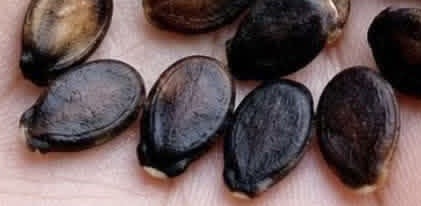
Watermelon is one of the most refreshing fruits enjoyed around the world, but its seeds are often overlooked and thrown away. In recent years, social media has been flooded with claims suggesting that watermelon seeds can eliminate cancer cells and cure serious diseases. While these claims may sound promising, they are not supported by scientific evidence.
The truth is that watermelon seeds are highly nutritious and can be a healthy addition to a balanced diet. They contain valuable nutrients that support overall wellness, but they should never be considered a replacement for professional medical treatment. Understanding their real benefits helps separate fact from fiction.
Are Watermelon Seeds Good for You?
Yes. Watermelon seeds are packed with essential nutrients that contribute to a healthy lifestyle. When roasted or sprouted, they become easier to digest and offer a variety of vitamins, minerals, healthy fats, and plant-based protein.
Unlike many popular health myths circulating online, the nutritional value of watermelon seeds is supported by scientific research.
Nutritional Value of Watermelon Seeds
Although small in size, watermelon seeds contain impressive amounts of nutrients, including:
- Protein
- Healthy unsaturated fats
- Magnesium
- Iron
- Zinc
- Potassium
- Phosphorus
- Folate
- B vitamins
These nutrients play important roles in energy production, muscle function, immune health, and overall body maintenance.
Health Benefits of Watermelon Seeds
Rich Source of Plant-Based Protein
Watermelon seeds provide a good amount of protein, making them an excellent snack for vegetarians and anyone looking to increase their daily protein intake. Protein helps build muscles, repair tissues, and support healthy body functions.
Support Heart Health
The healthy fats found in watermelon seeds are primarily unsaturated fats, which may contribute to maintaining healthy cholesterol levels when consumed as part of a balanced diet.
Magnesium also supports normal heart rhythm and healthy blood pressure.
Promote Healthy Bones
Magnesium and phosphorus are essential minerals for maintaining strong bones and teeth. Regular intake of these nutrients supports bone density and overall skeletal health.
Help Maintain Healthy Energy Levels
Iron is necessary for producing hemoglobin, which transports oxygen throughout the body. Adequate iron intake may help reduce fatigue associated with iron deficiency.
Watermelon seeds also contain B vitamins that assist the body in converting food into usable energy.
Support Immune Function
Zinc is a key mineral involved in immune health, wound healing, and normal cell growth. Including zinc-rich foods like watermelon seeds can contribute to a healthy immune system.
Provide Antioxidants
Watermelon seeds contain antioxidant compounds that help protect cells from oxidative stress caused by free radicals. Antioxidants are important for overall health and may reduce cellular damage over time.
Can Watermelon Seeds Cure Cancer?
No.
There is currently no scientific evidence proving that watermelon seeds can cure cancer or eliminate cancer cells in the human body.
Some laboratory studies have found that certain plant compounds may show activity against cancer cells in test tubes. However, these findings do not mean that eating watermelon seeds can prevent, treat, or cure cancer in people.
Cancer is a complex group of diseases that requires diagnosis and treatment by qualified healthcare professionals. Proven treatments such as surgery, chemotherapy, radiation therapy, immunotherapy, and targeted therapies remain the standard medical approaches.
Relying on unproven remedies instead of evidence-based treatment can delay proper care and negatively affect outcomes.
Why Do These Claims Spread Online?
Health misinformation spreads quickly on social media because it often promises simple solutions to complex medical conditions.
Claims that a single food can “kill all cancer cells” or “completely cure cancer naturally” are usually unsupported by credible scientific research.
Whenever you encounter dramatic health claims, it is important to verify them through reliable medical organizations and healthcare professionals.
Best Ways to Eat Watermelon Seeds
Watermelon seeds can be enjoyed in several healthy ways:
- Roast them with a small amount of olive oil and light seasoning.
- Add them to salads for extra crunch.
- Sprinkle them over yogurt or oatmeal.
- Blend them into smoothies.
- Mix them into homemade trail mix.
- Add them to baked goods like bread or granola bars.
Roasted watermelon seeds have a mild, nutty flavor that pairs well with many recipes.
Are There Any Risks?
For most healthy adults, watermelon seeds are safe to eat in moderate amounts.
However, because they are calorie-dense, portion control is recommended if you are monitoring calorie intake.
People with food allergies or specific dietary restrictions should consult their healthcare provider before making significant dietary changes.
Watermelon Seeds vs. Other Healthy Seeds
Watermelon seeds are nutritious, but they are not the only healthy seed option. Pumpkin seeds, sunflower seeds, chia seeds, flaxseeds, and sesame seeds also provide valuable nutrients.
Eating a variety of seeds can help provide a broader range of vitamins, minerals, fiber, and healthy fats.
Final Thoughts
Watermelon seeds are a nutrient-rich food that offers protein, healthy fats, essential minerals, and antioxidants. They can support overall health when included as part of a balanced diet and healthy lifestyle.
However, claims that watermelon seeds can eliminate cancer cells or cure cancer are not supported by scientific evidence. While nutritious foods contribute to better health, no single food can replace proven medical treatments for serious diseases.
Including watermelon seeds in your diet is a smart nutritional choice, but they should be viewed as a healthy snack—not a miracle cure.