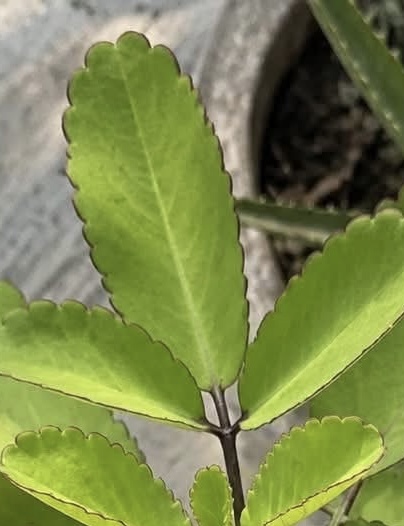
Kalanchoe plants are often promoted online as powerful natural remedies for a wide range of health problems. Social media posts sometimes claim that drinking or eating Kalanchoe leaves can eliminate diabetes, cancer, fatty liver, poor circulation, and high blood pressure without medication. These claims can sound convincing, especially when accompanied by pictures of the plant and dramatic health-related messages. However, it is important to separate traditional uses and early scientific research from proven medical treatments.
Kalanchoe is a group of succulent plants that includes several species traditionally used in folk medicine. The leaves contain various naturally occurring compounds, including flavonoids and other phytochemicals. Laboratory research has investigated some of these compounds for antioxidant, anti-inflammatory, and other biological activities. However, laboratory findings do not mean that eating the plant can cure serious diseases in humans.
What Is Kalanchoe?
Kalanchoe plants are succulent plants commonly grown as ornamental house and garden plants. They have thick, fleshy leaves and are found in many warm and tropical regions. Different species can look similar, which makes correct identification important before considering any traditional use.
Some Kalanchoe species have been used traditionally for skin problems, minor wounds, inflammation, and other conditions. Nevertheless, traditional use should not automatically be interpreted as proof of effectiveness or safety.
Kalanchoe and Diabetes
One of the most common claims online is that Kalanchoe leaves can eliminate diabetes. There is currently no reliable evidence that eating Kalanchoe can cure diabetes or replace prescribed diabetes treatment.
Diabetes is a complex metabolic condition that requires appropriate management of blood glucose, nutrition, physical activity, and, when necessary, medication. Stopping diabetes medication in favor of an unproven herbal remedy can allow blood sugar levels to rise and potentially lead to serious complications.
Although certain plant compounds may be investigated for their effects on glucose metabolism, research conducted in cells or animals is not enough to establish a safe and effective treatment for people.
Can Kalanchoe Treat Cancer?
Claims that Kalanchoe leaves can eliminate cancer are particularly concerning. Some laboratory studies have examined compounds found in Kalanchoe species for potentially interesting biological effects. However, this does not demonstrate that consuming Kalanchoe can prevent, shrink, or cure cancer in humans.
Cancer includes many different diseases, each requiring a specific diagnosis and treatment plan. Proven cancer treatments may include surgery, chemotherapy, radiation therapy, targeted therapy, immunotherapy, or combinations of these approaches.
Anyone with cancer should discuss supplements or herbal products with an oncologist before using them, especially if they are receiving treatment.
What About Fatty Liver?
Fatty liver disease is often associated with metabolic health, excess body weight, insulin resistance, alcohol consumption, and other factors. Improving diet quality, exercising regularly, managing weight when appropriate, and addressing underlying medical conditions can be important parts of treatment.
There is not enough clinical evidence to recommend Kalanchoe leaves as a treatment for fatty liver. Using an unproven plant remedy instead of medical evaluation could delay appropriate care.
Kalanchoe and High Blood Pressure
Another popular claim is that Kalanchoe can lower high blood pressure naturally. While some plant compounds may influence cardiovascular processes in experimental research, this does not establish that Kalanchoe is a reliable blood-pressure treatment.
High blood pressure can remain unnoticed for years while increasing the risk of heart disease, stroke, kidney problems, and other complications. People taking blood-pressure medication should not replace it with Kalanchoe without medical advice.
Is It Safe to Eat Kalanchoe Leaves?
Safety is an important issue because not every Kalanchoe species has the same chemical composition. Some Kalanchoe plants contain bufadienolides, compounds that can affect the heart and may cause poisoning when consumed in sufficient amounts.
Possible toxicity makes casual consumption particularly risky. Preparing a homemade tea, juice, or concentrated extract does not necessarily remove potentially harmful compounds. The risk may also depend on the plant species, amount consumed, preparation method, and individual health status.
A Safer Approach to Natural Health
Natural foods and plants can be part of a healthy lifestyle, but they should not automatically be considered cures. For diabetes, high blood pressure, fatty liver, or cancer, the safest approach is to obtain an accurate diagnosis and follow evidence-based treatment recommendations.
If you enjoy growing Kalanchoe, it can remain a beautiful ornamental plant. But claims that its leaves can eliminate serious diseases without medication should be treated with caution.
The Bottom Line
Kalanchoe leaves have attracted scientific and traditional interest because they contain biologically active compounds, but there is not enough human evidence to show that they can cure diabetes, cancer, fatty liver, poor circulation, or hypertension. Some Kalanchoe species may also contain potentially toxic compounds.
Rather than relying on a viral recipe or replacing prescribed medication, use herbal products carefully and speak with a qualified healthcare professional before consuming medicinal plants. Natural does not always mean harmless, and a plant’s traditional reputation is not the same as proven medical treatment.