Maintaining optimal kidney health is vital for filtering waste, balancing fluids, and regulating essential blood values in the body. One major marker used by medical professionals to measure kidney function is blood creatinine, a natural waste product generated by normal muscle wear and tear. High creatinine levels generally indicate that your kidneys are overworked or experiencing decreased filtration efficiency.
While dietary adjustments cannot repair structural kidney damage overnight, integrating specific nutrient-dense, low-potassium, and low-sodium foods into your daily meals can significantly reduce the workload on your renal system and support balanced metabolic function.
Understanding Creatinine and Renal Workload
Creatinine enters the bloodstream through muscle breakdown and the digestion of dietary proteins. healthy kidneys filter this compound efficiently, excreting it out of the body through urine. When renal performance slows down, creatinine accumulates in the blood.
Eating a dietary pattern centered on lower-protein, highly anti-inflammatory, and hydration-rich foods decreases the filtration burden placed on the kidneys. Selecting options low in sodium, phosphorus, and potassium provides immediate metabolic relief to struggling renal tissues.
9 Kidney-Friendly Foods for Renal Support
1. White Rice
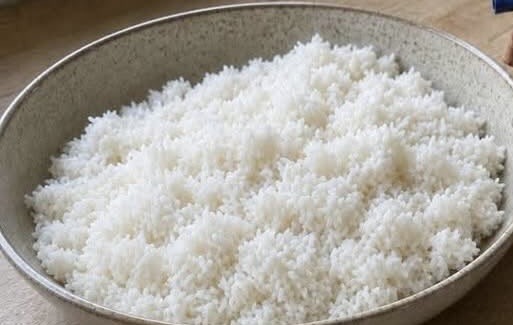
While whole grains are often praised for general health, individuals managing elevated creatinine and kidney strain frequently need to monitor their phosphorus and potassium intake. White rice provides a soft, easily digestible carbohydrate base that is low in potassium and phosphorus, making it an excellent calorie source that doesn’t stress the filtration pathways.
2. Red Bell Peppers
Red bell peppers deliver high nutritional value with minimal mineral strain. They are rich in vitamins C, A, and B6, as well as antioxidants like lycopene, while remaining significantly lower in potassium compared to other colorful vegetables like tomatoes or sweet potatoes.
3. Cabbage
Packed with phytochemicals that combat oxidative stress, cabbage is a versatile cruciferous vegetable tailored for kidney maintenance. Its natural compounds help neutralize free radicals that cause cellular inflammation, all while remaining extremely low in sodium and potassium.
4. Cauliflower
Cauliflower serves as a nutrient-dense substitute for high-potassium foods like potatoes. Rich in vitamin C, folate, and fiber, cauliflower aids digestive regularities and assists in reducing systemic inflammation without overloading the kidneys with unnecessary mineral solutes.
5. Garlic
Reducing sodium intake is mandatory for controlling blood pressure and protecting delicate kidney capillaries. Garlic serves as a powerful natural flavor enhancer that allows you to cut back on salt while providing potent anti-inflammatory and antimicrobial properties to support overall cardiovascular and renal wellness.
6. Onions
Similar to garlic, onions offer an excellent way to flavor food without increasing sodium levels. Onions are rich in flavonoids—particularly quercetin—which promote blood vessel health and reduce oxidative stress throughout the urinary tract and circulatory system.
7. Berries (Blueberries & Strawberries)
Dark berries are loaded with anthocyanins, potent antioxidants that shield kidney tissues from inflammatory damage. Their low-potassium and low-sodium profiles make them an ideal daily fruit choice for protecting blood vessel walls and promoting renal cellular longevity.
8. Olive Oil
Healthy fats are necessary for sustained energy, especially when reducing heavy animal protein intake to lower creatinine production. Extra virgin olive oil provides oleic acid, an anti-inflammatory fatty acid that supports overall metabolic health without adding metabolic waste products to the bloodstream.
9. Apples
Apples contain pectin, a soluble fiber that aids in lowering cholesterol and managing blood sugar levels. By regulating blood glucose and improving digestive waste removal, apples indirect reduce the workload on the renal filtration system.
Essential Guidelines for Managing Creatinine
Alongside introducing renal-friendly foods, consistent lifestyle habits play a pivotal role in maintaining balanced creatinine levels:
- Hydrate Adequately: Drinking sufficient water helps flush creatinine through the urinary tract, though fluid restrictions should always be verified with a physician if advanced renal issues are present.
- Moderate Protein Intake: Excess consumption of cooked red meats can spike serum creatinine levels, as meat naturally contains creatine that converts upon heating and digestion.
- Avoid Excessive Strenuous Exercise: Extreme high-intensity breakdown of muscle tissue raises baseline creatinine production significantly.
- Limit NSAIDs: Over-the-counter pain medications can restrict blood flow to the kidneys and increase functional strain over time.
When to Consult a Specialist
Dietary choices serve as a foundational support system for long-term health, but managing blood values like creatinine requires regular monitoring by a healthcare provider or nephrologist. Always consult with a registered renal dietitian before making drastic changes to your diet, ensuring your individual electrolyte balance and caloric needs are safely met.