As we get older, taking care of our cardiovascular health becomes increasingly important. Good circulation helps deliver oxygen and nutrients throughout the body while supporting the normal function of the heart, blood vessels, muscles, and organs. While no single food can magically make circulation “better than a 30-year-old,” certain everyday foods may provide nutrients and plant compounds that support healthy blood vessel function.
One ingredient that often receives attention for its potential cardiovascular benefits is unsweetened cocoa powder. Cocoa is naturally rich in flavanols, plant compounds that have been studied for their effects on blood vessel function and circulation. This is one reason cocoa-based drinks and foods can be an interesting addition to a balanced lifestyle.
Why Cocoa Is Interesting for Circulation
Cocoa comes from cacao beans and contains naturally occurring flavanols. Research has investigated cocoa flavanols because they may help support the production and activity of nitric oxide, a compound involved in relaxing blood vessels.
When blood vessels are able to relax normally, blood can flow more efficiently. This does not mean that drinking cocoa will immediately “clean your arteries” or reverse circulation problems. Instead, cocoa can be considered one small part of an overall heart-healthy diet.
The type of cocoa matters, too. Highly processed chocolate products often contain large amounts of added sugar and saturated fat. Choosing unsweetened cocoa powder can be a more practical way to include cocoa while keeping added sugar under control.
What Makes Unsweetened Cocoa a Better Choice?
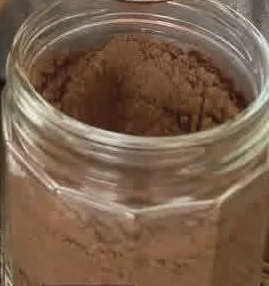
The cocoa shown in many wellness recipes is usually a powdered form that can be added to warm milk, yogurt, oatmeal, or smoothies. Unsweetened cocoa provides a rich chocolate flavor without requiring large amounts of sugar.
It also contains several minerals and naturally occurring plant compounds. However, cocoa powder is not a miracle supplement, and more is not necessarily better.
If you enjoy cocoa, a modest serving can fit comfortably into a balanced diet. You can combine it with foods such as oats, nuts, seeds, fruit, or plain yogurt for a more nutritious snack or breakfast.
What About Taking Cocoa Before Bed?
Some recipes recommend taking a spoonful of cocoa before going to sleep. There is nothing inherently magical about bedtime, however. The potential benefits of cocoa flavanols are related to the compounds themselves rather than a special nighttime effect.
In addition, cocoa naturally contains caffeine and theobromine. Although the amounts vary depending on the product and serving size, some people may find cocoa stimulating, particularly when consumed late in the evening.
If you notice that cocoa affects your sleep, it may be better to enjoy it earlier in the day.
A Spoonful Is Not a Treatment for Poor Circulation
It is important to put social-media health claims into perspective. Eating a tablespoon of cocoa powder does not guarantee excellent circulation, regardless of age.
Circulation can be affected by many factors, including physical activity, blood pressure, cholesterol levels, smoking, diabetes, body weight, hydration, medications, and underlying medical conditions.
For someone experiencing persistent cold feet or hands, swelling, numbness, pain while walking, skin color changes, or other unusual circulation symptoms, relying on a food recipe is not appropriate. These symptoms deserve proper medical evaluation.
How to Add Cocoa to Your Daily Diet
If you want to include unsweetened cocoa in your diet, there are many simple options.
You can mix a small amount into oatmeal with banana and nuts. Another option is to combine cocoa with plain yogurt and berries. It can also be added to a homemade smoothie containing milk or a fortified plant-based beverage, fruit, and seeds.
For a warm drink, combine unsweetened cocoa powder with warm milk and cinnamon. Avoid turning the drink into a dessert by adding large quantities of sugar or sweetened syrups.
The goal is not to consume as much cocoa as possible. The goal is to use it as one nutritious ingredient within an overall balanced eating pattern.
Other Habits That Matter More for Circulation
If your goal is to maintain healthy circulation as you age, lifestyle habits are much more important than any single ingredient.
Regular physical activity is particularly valuable. Walking, cycling, swimming, and other forms of aerobic exercise can support cardiovascular fitness and healthy blood flow. Strength training can also help maintain muscle mass and physical independence as you get older.
A diet rich in vegetables, fruits, whole grains, beans, nuts, seeds, fish, and other minimally processed foods can also support cardiovascular health.
It is equally important to avoid smoking, manage blood pressure and cholesterol, maintain a healthy weight when appropriate, and get adequate sleep.
The Bottom Line
Unsweetened cocoa powder can be a delicious source of cocoa flavanols and may support aspects of normal blood vessel function. However, the claim that one spoonful before bed can make an older person’s circulation better than that of most 30-year-olds is not scientifically established.
Instead of looking for a single secret ingredient, think of cocoa as one small piece of a much bigger picture. Regular movement, a nutritious diet, healthy blood pressure and cholesterol levels, good sleep, and avoiding tobacco are far more important for maintaining healthy circulation over the long term.
If you enjoy cocoa, choosing an unsweetened variety and incorporating a moderate amount into a balanced diet can be a sensible option. The real secret to healthy aging is consistency—not a single spoonful before bedtime.