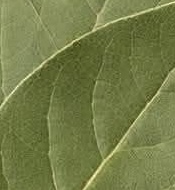
Clove and bay leaf are two popular aromatic ingredients traditionally used in cooking and home remedies. In recent years, combinations of these ingredients have become popular online as natural methods for improving oral hygiene and making teeth appear whiter. Images and social media posts often claim that rubbing or brushing teeth with clove and bay leaf can remove yellow stains and create dramatically whiter teeth.
While both ingredients contain interesting natural compounds, it is important to separate traditional uses from scientifically established dental treatments. Clove and bay leaf may have properties that support oral hygiene, but they should not be considered a proven substitute for toothpaste, professional dental cleaning, or teeth-whitening treatments.
Why Do Teeth Become Yellow?
Teeth can naturally become slightly yellow or darker over time. Tooth color varies from person to person, and perfectly white teeth are not necessarily healthier teeth.
Several factors can contribute to tooth discoloration, including coffee, tea, tobacco, red wine, certain foods, poor oral hygiene, plaque buildup, and aging. The outer layer of the tooth, called enamel, can also become thinner with age, allowing the naturally darker dentin underneath to become more visible.
Some stains are located on the surface and can be reduced with proper brushing and professional cleaning. Other discoloration occurs inside the tooth and cannot simply be removed by rubbing a natural ingredient onto the enamel.
What Makes Cloves Interesting for Oral Health?
Cloves contain an aromatic compound called eugenol. Eugenol has been studied extensively in dentistry and is associated with soothing and antimicrobial properties. Clove-derived ingredients have historically been used in certain dental preparations.
However, this does not mean that whole cloves or homemade clove mixtures can whiten teeth like professional whitening products. Their traditional use in oral care should not be confused with evidence that they can dramatically change natural tooth color.
Using concentrated clove oil directly on the gums or teeth can also cause irritation. For this reason, homemade preparations should be used cautiously.
What About Bay Leaves?
Bay leaves contain various aromatic plant compounds and antioxidants. They are commonly used as a culinary herb and have also appeared in traditional home remedies.
There is limited evidence that bay leaves can whiten teeth. The dramatic before-and-after images frequently shared online should therefore not be interpreted as proof that bay leaf can remove deep dental stains.
Bay leaf powder can also be abrasive depending on how it is prepared. Excessive rubbing of abrasive substances against the teeth may gradually damage enamel or irritate the gums.
Can Clove and Bay Leaf Really Whiten Teeth?
There is currently no strong evidence that brushing with a mixture of cloves and bay leaves produces professional-level teeth whitening.
A homemade mixture might temporarily make teeth feel cleaner, especially if it removes some loose surface residue. However, this is very different from chemically whitening the tooth.
If your goal is a noticeably whiter smile, evidence-based whitening products containing appropriate whitening ingredients are much more reliable. A dentist can also determine whether discoloration is caused by surface stains, enamel changes, decay, or another dental problem.
A Safer Approach to a Natural Oral-Care Routine
If you enjoy clove and bay leaf, they can remain part of your diet and traditional cooking routine. For everyday oral hygiene, however, focus on methods that are proven to protect your teeth.
Brush twice a day with fluoride toothpaste and use gentle movements rather than aggressively scrubbing the enamel. Cleaning between the teeth with floss or an appropriate interdental cleaner can also help remove plaque from areas a toothbrush cannot reach.
Regular dental checkups are important as well. Professional cleaning can remove hardened tartar that cannot be eliminated through normal brushing.
What You Should Avoid
Avoid aggressively rubbing your teeth with raw herbs, coarse powders, salt, or other abrasive substances in an attempt to whiten them. These methods can irritate the gums and potentially wear down enamel.
You should also avoid applying undiluted essential oils directly to your mouth. Essential oils are highly concentrated and may cause irritation or other unwanted reactions.
If you experience tooth sensitivity, bleeding gums, persistent bad breath, tooth pain, or visible holes or dark spots on your teeth, whitening should not be the first priority. A dental examination is more appropriate.
Natural Ways to Keep Teeth Looking Clean
Simple daily habits can make a significant difference in the appearance of your smile. Drinking water after meals can help rinse away food particles. Limiting frequent consumption of highly staining drinks such as coffee and tea may also reduce new surface stains.
Most importantly, consistent brushing and cleaning between the teeth help prevent plaque from accumulating. A healthy mouth is more important than achieving an artificially bright shade of white.
Final Thoughts
Clove and bay leaf are traditional ingredients with interesting natural compounds, but claims that they can dramatically whiten teeth are not well supported by scientific evidence. Clove contains eugenol, which has recognized applications and properties in dentistry, while bay leaves are primarily valued as a culinary herb.
If you want to try these ingredients as part of your routine, use them as foods rather than relying on homemade whitening treatments. Avoid aggressive scrubbing and concentrated oils, and continue using fluoride toothpaste and regular dental care.
For significant discoloration or a noticeably whiter smile, professional dental cleaning and evidence-based whitening options remain safer and more predictable choices.