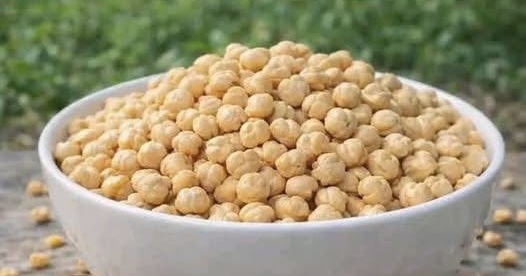
A bowl of chickpeas may be a nutritious addition to a balanced diet, but the claim that a particular protein can “cure a dead kidney” or make a non-functioning kidney work instantly is not supported by medical evidence. The image associated with this claim appears to promote chickpeas as a treatment for severe kidney disease. It is important to separate the nutritional benefits of chickpeas from claims about curing kidney failure.
Kidneys perform essential jobs every day. They filter waste products and excess water from the blood, help regulate minerals such as sodium and potassium, contribute to blood-pressure control, and produce hormones involved in red blood-cell production and bone health. When kidney function becomes severely reduced, food alone cannot immediately restore lost kidney function.
Chickpeas and Their Nutritional Value
Chickpeas, also called garbanzo beans, are legumes that provide plant-based protein, fiber, carbohydrates, vitamins, and minerals. For many healthy people, they can be part of a nutritious eating pattern.
Their protein is useful for maintaining muscles and supporting normal body functions. Their fiber can also contribute to digestive health and help people feel full after meals.
However, nutritious does not mean curative. Eating chickpeas does not regenerate a kidney that has permanently lost its function, and there is no evidence that chickpeas can restore kidney function instantly.
People with kidney disease also have different nutritional requirements. The appropriate amount of protein, potassium, phosphorus, sodium, and fluids can depend on the stage of kidney disease, medications, laboratory results, and whether the person receives dialysis. The National Kidney Foundation notes that protein requirements can differ substantially between people with chronic kidney disease who are not on dialysis and those who are receiving dialysis.
What Does “Dead Kidney” Actually Mean?
“Dead kidney” is not a precise medical diagnosis. People sometimes use this phrase to describe a kidney that has little or no functioning tissue, severe chronic damage, or kidney failure.
Kidney failure is generally defined as kidney function falling below about 15% of normal. At this stage, waste products and excess fluid can accumulate in the body, potentially causing serious symptoms and complications.
The important question is therefore not whether a particular food can “activate” the kidney, but how much kidney function remains and what caused the damage.
Some forms of acute kidney injury can improve when the underlying problem is treated. In contrast, advanced chronic kidney damage may be permanent. A doctor may need blood tests, urine tests, imaging, and other investigations to determine what is happening.
Can Food Repair Damaged Kidneys?
A healthy diet can support overall health and may be an important part of managing kidney disease, but diet should not be presented as a replacement for medical treatment.
For people with chronic kidney disease, nutritional recommendations are individualized. The National Kidney Foundation explains that good nutrition can help people with kidney disease maintain energy, muscle mass, healthy weight, and overall health. It also emphasizes that there is not one single diet suitable for everyone with kidney disease.
For some people who are not on dialysis, reducing excessive protein intake may be recommended because protein produces waste products that the kidneys must remove. For people receiving dialysis, protein needs may be higher. This is why someone with kidney disease should not dramatically increase protein intake simply because an online post describes a food as a “kidney cure.”
What Happens When Kidney Failure Becomes Severe?
When kidney function is severely reduced, medical treatment becomes particularly important. Depending on the person’s condition, treatment options can include hemodialysis, peritoneal dialysis, kidney transplantation, or conservative management focused on symptoms and quality of life.
Hemodialysis uses a machine and filter to remove waste products and excess fluid from the blood. It can replace part of the kidneys’ filtering function, but it does not cure kidney failure.
A kidney transplant places a functioning donor kidney into the recipient’s body. The transplanted kidney can perform the filtering work that the failed kidneys can no longer perform, but transplantation is a medical treatment involving surgery, testing, and long-term medication.
These treatments demonstrate why claims about a food working “instantly” should be treated cautiously.
Are Chickpeas Safe for Everyone With Kidney Disease?
Not necessarily. Whether chickpeas fit into an individual’s kidney diet depends on their medical situation.
Chickpeas contain protein and minerals, including potassium and phosphorus. For some people with advanced kidney disease, these nutrients may need to be monitored or limited. For others, they may be incorporated into a carefully planned diet.
Therefore, someone with diagnosed kidney disease should not automatically eat large quantities of chickpeas, protein-rich foods, or supplements based on social-media health claims.
A kidney dietitian can help determine appropriate portions and food choices based on kidney function and blood-test results.
Warning Signs That Should Not Be Ignored
Kidney problems can sometimes develop without obvious symptoms. When kidney failure becomes advanced, possible symptoms include swelling in the legs, feet, or ankles, fatigue, itching, nausea, poor appetite, muscle cramps, changes in urination, weakness, and difficulty concentrating.
These symptoms can have many different causes, so they do not automatically mean someone has kidney failure. However, persistent or unexplained symptoms deserve medical evaluation.
Sudden major changes in urination, severe swelling, breathing difficulties, chest pain, confusion, or severe weakness should receive urgent medical attention.
The Bottom Line
Chickpeas are a nutritious plant food and can be part of a healthy eating pattern for many people. However, there is no reliable evidence that chickpeas or a specific chickpea protein can instantly cure a non-functioning or “dead” kidney.
Kidney disease requires an individualized approach. The right diet depends on kidney function, laboratory results, medications, other health conditions, and whether dialysis or transplantation is involved. Medical treatment should never be stopped or replaced with a food based on an online claim.
The safest approach is to enjoy nutritious foods such as chickpeas when they fit your individual diet, while relying on a qualified healthcare professional for the diagnosis and treatment of kidney disease. For people with serious kidney impairment, proper medical evaluation and an individualized treatment plan are far more important than any “instant cure” promoted online.