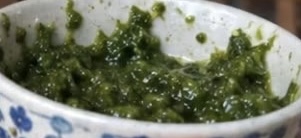
Viral health posts often promise extraordinary results from simple natural remedies. One example is the claim that a certain type of leaf can “permanently eliminate vision impairment” and “cleanse the eyes” in just 48 hours. Images showing a dramatic before-and-after transformation can make the claim look convincing, but it is important to separate social media marketing from medically supported information.
There is no reliable medical evidence that applying a homemade leaf paste to the eyes can permanently restore impaired vision within 48 hours. Vision problems have many different causes, and treatment depends on the specific condition affecting the eye.
Why Vision Problems Should Not Be Treated With Homemade Eye Remedies
Blurred or reduced vision can result from conditions such as cataracts, refractive errors, glaucoma, retinal disease, eye infections, dry eye, or other problems. Some conditions are easily corrected with glasses or contact lenses, while others require prescription medication, laser treatment, or surgery.
A homemade mixture made from crushed leaves may contain bacteria, fungi, plant chemicals, dirt, or other contaminants. Putting such substances directly around or inside the eye can cause irritation and potentially lead to infection or injury.
The eye is particularly sensitive because the cornea and other structures are delicate. Even ingredients that are considered harmless when eaten may not be safe when applied directly to the eye.
Can Natural Ingredients Support Eye Health?
A healthy diet can contribute to overall eye health. Vegetables, fruits, leafy greens, nuts, seeds, fish, and other nutrient-rich foods can provide vitamins, minerals, antioxidants, and other nutrients that the body needs.
However, eating nutritious foods is very different from applying a plant preparation directly to the eye. A balanced diet may support general health, but it should not be presented as a replacement for diagnosis or treatment of an existing eye disease.
Some nutrients are particularly important for normal vision, including vitamin A, which is involved in normal eye function. Severe nutritional deficiencies can affect vision, but correcting a deficiency does not mean that every form of vision impairment can suddenly disappear.
What About the Dramatic Before-and-After Image?
Before-and-after images on social media should be viewed carefully. Differences in lighting, camera angle, pupil size, image quality, makeup, editing, and focus can make two photographs appear dramatically different.
In addition, an image cannot establish that a particular leaf or homemade preparation caused an improvement in vision. A person appearing to have clearer eyes in a photograph does not prove that their eyesight improved.
Claims involving phrases such as “doctors were amazed,” “permanent results,” or “in only 48 hours” should be treated cautiously, especially when the post does not provide a credible clinical study, medical institution, or identifiable scientific source.
What Should You Do If Your Vision Becomes Blurry?
If you notice new or worsening blurred vision, the safest approach is to have your eyes examined by a qualified eye-care professional. An examination can determine whether the problem is related to glasses, the surface of the eye, the lens, pressure inside the eye, the retina, or another condition.
Do not delay professional care simply because a social media post promises a fast natural cure.
Some eye symptoms require urgent medical attention. Sudden loss of vision, severe eye pain, significant redness, flashes of light, a sudden increase in floaters, or a dark curtain or shadow across your vision can be signs of a serious eye problem and should be assessed urgently.
Avoid Putting Homemade Mixtures Into Your Eyes
One of the most important precautions is to avoid placing homemade plant juices, pastes, powders, oils, or other unsterile substances directly into the eyes.
Even if a plant is commonly used as food or traditional medicine, that does not automatically make it safe for ophthalmic use. Products intended for the eyes need to meet appropriate safety and sterility standards.
If a substance has already entered your eye and you experience persistent burning, pain, redness, discharge, swelling, or changes in vision, seek medical advice rather than attempting another home remedy.
The Bottom Line
The viral claim that a particular leaf can permanently eliminate vision impairment and cleanse the eyes within 48 hours is not a medically established treatment. There is no reason to assume that a homemade green paste can reverse cataracts, glaucoma, retinal disease, or other causes of impaired vision.
Natural foods can be part of a healthy lifestyle, but they should not replace professional eye examinations or evidence-based treatment. When it comes to your eyesight, a dramatic social media photograph is not a substitute for medical evidence.
If you are experiencing vision changes, identify the underlying cause first. Proper diagnosis is the safest way to determine whether your vision can be improved and which treatment is appropriate.