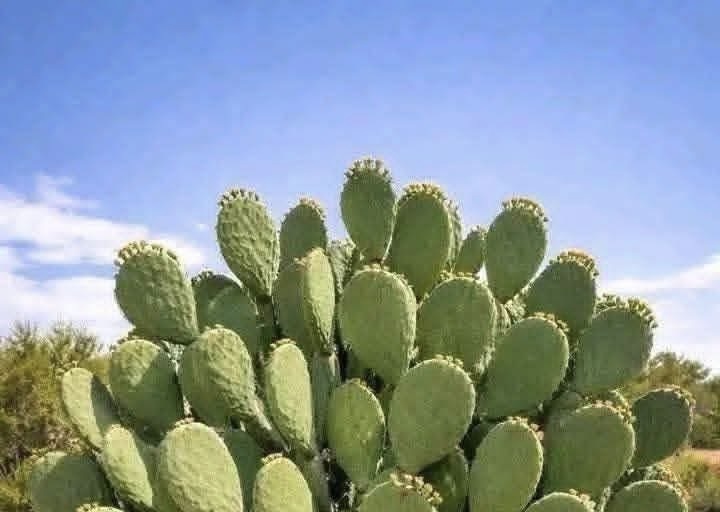
What Is Prickly Pear Cactus?
Prickly pear cactus, also known as Opuntia, is a desert plant that has been used in traditional cuisines for centuries. Its flat green pads, often called nopales, and its colorful fruits are both edible when properly prepared. Rich in fiber, vitamins, minerals, and antioxidants, prickly pear has gained attention as a nutritious food that may support overall health.
Despite many claims circulating online, there is no scientific evidence that prickly pear cactus can cure cancer. However, research suggests it may offer several health benefits as part of a balanced diet, especially for blood sugar management, heart health, and digestive wellness.
Nutritional Value of Prickly Pear
Prickly pear cactus is naturally low in calories while providing important nutrients, including:
- Dietary fiber
- Vitamin C
- Magnesium
- Potassium
- Calcium
- Antioxidants such as betalains and flavonoids
These nutrients contribute to immune function, healthy digestion, and protection against oxidative stress.
Can Prickly Pear Help Control Blood Sugar?
One of the most studied benefits of prickly pear cactus is its potential effect on blood sugar levels.
Some research suggests that eating cooked nopales may help reduce post-meal blood sugar spikes in people with type 2 diabetes. The high fiber content slows carbohydrate absorption, which may contribute to improved glucose control.
However, prickly pear is not a replacement for diabetes medication. Anyone taking blood sugar-lowering medications should consult a healthcare provider before consuming large amounts, as combining both may increase the risk of low blood sugar.
Antioxidants That Support Overall Health
Prickly pear contains plant compounds that act as antioxidants. These compounds help protect cells from damage caused by free radicals.
A diet rich in antioxidant-containing foods has been associated with better overall health and may help reduce chronic inflammation. While laboratory studies have explored the potential effects of prickly pear compounds on cancer cells, these findings do not prove that eating the cactus prevents or treats cancer in humans.
Maintaining a healthy lifestyle, regular medical checkups, and following evidence-based treatments remain the best approach to cancer prevention and care.
Supports Digestive Health
Fiber is one of the greatest strengths of prickly pear cactus.
Regular fiber intake may help:
- Promote healthy bowel movements
- Support beneficial gut bacteria
- Reduce occasional constipation
- Increase feelings of fullness after meals
Including fiber-rich vegetables like nopales in meals can contribute to a healthier digestive system while supporting weight management goals.
May Benefit Heart Health
Heart health depends on many lifestyle factors, including diet.
Prickly pear cactus may contribute to cardiovascular wellness by providing:
- Soluble fiber
- Potassium
- Antioxidants
These nutrients may support healthy cholesterol levels and normal blood pressure when combined with an overall heart-friendly diet rich in vegetables, fruits, whole grains, and lean proteins.
A Low-Calorie Food for Weight Management
For individuals trying to manage their weight, prickly pear cactus is an excellent addition to balanced meals.
Its combination of fiber and water helps increase satiety while adding very few calories. Feeling full for longer may reduce unnecessary snacking throughout the day.
No single food causes weight loss on its own, but nutrient-dense foods like prickly pear can support healthy eating habits.
How to Prepare Prickly Pear Pads
Fresh cactus pads must be cleaned carefully before cooking because they contain small spines.
Basic preparation includes:
- Remove all spines carefully.
- Wash the pads thoroughly.
- Slice into strips or cubes.
- Boil, grill, sauté, or roast until tender.
Cooked nopales have a mild flavor that pairs well with eggs, salads, soups, tacos, and vegetable dishes.
Enjoying the Fruit
The colorful prickly pear fruit is sweet and refreshing.
After removing the thick outer skin, the fruit can be enjoyed:
- Fresh
- In smoothies
- As juice
- In fruit salads
- As jam
- Frozen into desserts
The fruit also provides antioxidants, vitamin C, and dietary fiber.
Is There a Miracle Recipe?
Social media often promotes “miracle” cactus recipes claiming to cure cancer, reverse diabetes, or eliminate chronic diseases.
There is no scientific recipe capable of delivering these results.
A healthy lifestyle includes:
- Eating a balanced diet
- Staying physically active
- Sleeping well
- Managing stress
- Following medical advice
- Taking prescribed medications when necessary
Natural foods can support health, but they should never replace professional medical care.
Possible Side Effects
Prickly pear is generally safe when eaten as food.
Some people may experience:
- Mild digestive discomfort
- Diarrhea
- Bloating
- Nausea
Individuals with diabetes should monitor blood sugar carefully when adding large amounts of prickly pear to their diet.
Anyone with food allergies or chronic medical conditions should consult a healthcare professional before using concentrated supplements.
Final Thoughts
Prickly pear cactus is a nutritious plant packed with fiber, vitamins, minerals, and antioxidants. Research suggests it may support healthy blood sugar management, digestive health, heart wellness, and overall nutrition when included in a balanced diet.
However, claims that prickly pear can cure cancer or replace medical treatment are not supported by scientific evidence. The best approach is to enjoy this traditional food as part of a varied, healthy eating pattern while relying on evidence-based medical care for serious health conditions.