Introduction
Bay leaf and clove tea is a traditional herbal infusion enjoyed in many cultures for its warm aroma and comforting flavor. Made by simmering dried bay leaves with whole cloves, this caffeine-free drink is often consumed as part of a balanced lifestyle. While many social media posts claim that this tea can cure diseases or provide dramatic health results, scientific evidence supports only some of its potential benefits.
When prepared correctly and consumed in moderation, bay leaf and clove tea can be a flavorful beverage that provides beneficial plant compounds. However, it should not replace medical treatment or a healthy diet.
What Is Bay Leaf and Clove Tea?
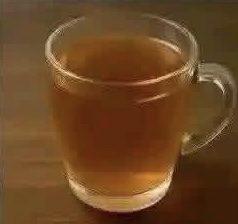
Bay leaf and clove tea is created by boiling dried bay leaves together with whole cloves in water for several minutes. The resulting infusion contains naturally occurring antioxidants, aromatic oils, and other plant compounds.
Bay leaves are commonly used in cooking to add flavor to soups, stews, and sauces, while cloves are prized for their intense aroma and high concentration of beneficial phytochemicals.
Together, they create a warming herbal tea with a distinctive taste.
Potential Health Benefits of Bay Leaf and Clove Tea
Rich in Antioxidants
Both bay leaves and cloves contain antioxidants that help protect cells from oxidative stress. Antioxidants play an important role in supporting overall health by reducing damage caused by free radicals.
Adding antioxidant-rich foods and beverages to your daily routine may contribute to long-term wellness.
Supports Healthy Digestion
Many people drink bay leaf and clove tea after meals because it may help support normal digestion.
Traditional uses include helping relieve occasional bloating, mild stomach discomfort, and feelings of fullness after eating. Although more research is needed, these herbs have been used for digestive support for centuries.
May Help Reduce Inflammation
Cloves contain eugenol, a natural compound that has been studied for its anti-inflammatory properties.
Bay leaves also contain plant compounds that may contribute to a healthy inflammatory response when combined with an overall nutritious diet.
Supports Immune Health
The antioxidants and natural compounds found in bay leaves and cloves may help support normal immune function.
While no herbal tea can prevent illness on its own, maintaining a healthy lifestyle that includes nutrient-rich foods and adequate hydration is beneficial for immune health.
May Help Freshen Breath
Cloves have long been used as a natural breath freshener due to their aromatic essential oils.
Drinking this tea or using cloves occasionally may help reduce unpleasant breath odors while providing a refreshing taste.
Supports Blood Sugar Management
Some preliminary studies suggest that compounds found in cloves and bay leaves may help support healthy blood sugar levels already within the normal range.
However, this tea should never replace prescribed diabetes medications or professional medical advice.
Promotes Relaxation
A warm cup of herbal tea can be a calming evening ritual.
Although scientific evidence is limited regarding direct relaxation effects from bay leaves and cloves, the comforting aroma and warmth may help promote a sense of relaxation after a busy day.
How to Prepare Bay Leaf and Clove Tea
Making this herbal tea is simple.
Ingredients
- 3 dried bay leaves
- 5 to 6 whole cloves
- 2 cups of water
Instructions
- Pour the water into a small saucepan.
- Add the bay leaves and cloves.
- Bring the mixture to a gentle boil.
- Reduce the heat and simmer for 10–15 minutes.
- Strain the tea into a cup.
- Enjoy warm.
Some people add a slice of lemon or a small amount of honey for additional flavor.
Best Time to Drink It
Many people prefer drinking bay leaf and clove tea:
- After meals to support digestion
- In the evening as a warm herbal beverage
- During colder months for its comforting aroma
Moderation is recommended, and one cup per day is generally sufficient for most healthy adults.
Nutritional Value
Bay leaf and clove tea contains very few calories because the herbs are infused rather than consumed directly.
The beverage provides small amounts of naturally occurring plant compounds, including:
- Polyphenols
- Flavonoids
- Essential oils
- Antioxidants
These compounds contribute to the tea’s aroma and potential health-supporting properties.
Possible Side Effects
Although generally safe when consumed in moderate amounts, bay leaf and clove tea is not suitable for everyone.
Potential considerations include:
- Excessive clove intake may increase the risk of bleeding in sensitive individuals.
- People taking blood-thinning medications should consult a healthcare professional before consuming large amounts.
- Individuals with allergies to either herb should avoid this tea.
- Pregnant or breastfeeding women should seek medical advice before regularly drinking herbal infusions.
- Drinking excessive amounts may cause stomach irritation in some people.
As with any herbal beverage, moderation is the safest approach.
Common Myths About Bay Leaf and Clove Tea
Many online claims exaggerate the benefits of this herbal drink.
There is currently no reliable scientific evidence that bay leaf and clove tea can:
- Cure diabetes
- Melt body fat overnight
- Eliminate toxins from the body
- Cure infections
- Replace prescription medications
- Reverse chronic diseases
It is best viewed as a pleasant herbal beverage that may support overall wellness as part of a healthy lifestyle.
Tips for the Best Flavor
For the best taste and quality:
- Use whole dried cloves instead of ground cloves.
- Choose high-quality dried bay leaves.
- Avoid overboiling, which may produce a bitter flavor.
- Prepare fresh tea each time rather than storing it for several days.
- Drink without excessive sugar to preserve its natural benefits.
Conclusion
Bay leaf and clove tea is a flavorful herbal infusion that has been enjoyed for generations. Rich in antioxidants and aromatic plant compounds, it may support digestion, contribute to immune health, promote relaxation, and provide a comforting caffeine-free beverage.
While this traditional tea can be a healthy addition to a balanced diet, it is important to keep expectations realistic. It should not be considered a cure for disease or a substitute for professional medical care. When consumed in moderation, bay leaf and clove tea can be a simple and enjoyable part of a healthy daily routine.