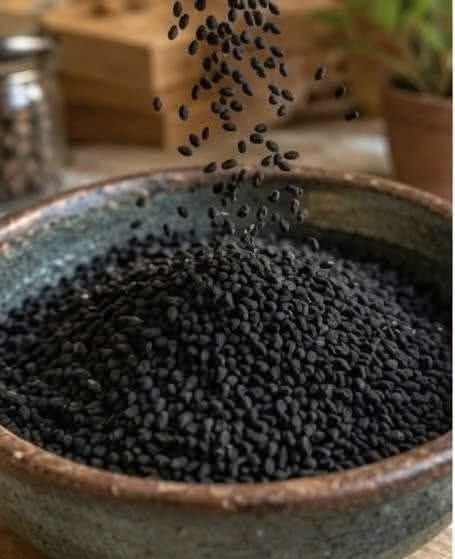
Black seed, also known as Nigella sativa, black cumin, or kalonji, has been used traditionally for centuries as a culinary spice and herbal remedy. The small black seeds contain naturally occurring plant compounds, including thymoquinone, that have attracted scientific interest for their antioxidant and anti-inflammatory properties.
Although black seed is sometimes promoted online as a remedy for hundreds of diseases, there is not enough scientific evidence to support claims that it can cure more than 200 diseases. However, research suggests that black seed and black seed oil may have several potential health benefits when used appropriately.
What Is Black Seed?
Black seed comes from the flowering plant Nigella sativa, which belongs to the Ranunculaceae family. The plant produces small black seeds with a slightly bitter, peppery flavor. They are commonly used in Middle Eastern, North African, and South Asian cuisines.
Black seeds can be consumed whole, ground into a powder, added to foods, or pressed to produce black seed oil. The oil is particularly popular in traditional wellness practices.
One of the most studied compounds in black seed is thymoquinone, a natural substance that has demonstrated antioxidant and anti-inflammatory activity in laboratory and early clinical research.
Potential Antioxidant Benefits
Oxidative stress occurs when unstable molecules called free radicals accumulate in the body. A diet rich in antioxidant-containing foods can help support the body’s natural defenses against oxidative stress.
Black seed contains several bioactive compounds with antioxidant properties. Research has investigated its ability to help protect cells from oxidative damage, although more high-quality human studies are needed to determine how significant these effects are in everyday use.
Adding black seed to a balanced diet may therefore provide useful plant compounds without treating it as a substitute for medical care.
May Support Healthy Inflammation Levels
Inflammation is a normal part of the body’s immune response, but excessive or prolonged inflammation can contribute to many chronic health problems.
Compounds found in Nigella sativa, particularly thymoquinone, have been studied for their potential anti-inflammatory effects. Some small human studies have reported improvements in certain markers of inflammation, but the evidence is still developing.
For this reason, black seed is best viewed as a complementary food or herbal ingredient rather than a proven treatment for inflammatory diseases.
Black Seed and Blood Sugar Support
Another area of research involves blood glucose regulation. Some clinical studies have examined black seed supplementation in people with elevated blood sugar or type 2 diabetes and have reported possible improvements in blood glucose measurements.
However, results vary between studies, and black seed should not replace prescribed diabetes medication, a healthy eating pattern, physical activity, or regular medical monitoring.
Anyone taking medication that lowers blood sugar should speak with a healthcare professional before using concentrated black seed products regularly.
May Support Cardiovascular Health
Heart health is strongly influenced by factors such as blood pressure, cholesterol, diet, exercise, sleep, and smoking status.
Research into black seed has explored its possible effects on blood pressure and blood lipid levels. Some studies suggest that supplementation may modestly support healthier measurements, but the evidence is not strong enough to consider black seed a treatment for hypertension or high cholesterol.
A heart-healthy lifestyle remains the foundation for cardiovascular wellness.
Black Seed for Digestive Wellness
Black seed has traditionally been used to support digestion. Its aromatic compounds may make it a useful culinary spice, while traditional practices have used black seed preparations for various digestive complaints.
Using small amounts of black seed in meals can be an easy way to incorporate it into a varied diet. If you experience persistent abdominal pain, severe bloating, vomiting, blood in the stool, or unexplained weight loss, medical evaluation is more appropriate than relying on herbal remedies.
How to Use Black Seed
Black seed can be incorporated into everyday meals in several simple ways. Whole seeds can be sprinkled over bread, salads, roasted vegetables, soups, or rice dishes. Ground black seed can also be mixed into yogurt, smoothies, or homemade spice blends.
Black seed oil is another popular form, but concentrated oils provide a much higher amount of active compounds than ordinary culinary quantities. Follow the product’s instructions and avoid assuming that larger amounts provide greater benefits.
Black Seed Safety and Precautions
Natural does not always mean risk-free. Black seed may cause digestive discomfort or other side effects in some people, particularly when taken in concentrated amounts.
Pregnant or breastfeeding individuals should consult a healthcare professional before using medicinal amounts of black seed or black seed oil. People taking medications for blood pressure, blood sugar, blood clotting, or other chronic conditions should also seek professional advice before starting concentrated supplements.
It is also important to choose reputable products and avoid supplements that make dramatic claims about curing serious diseases.
Final Thoughts on Black Seed
Black seed, or Nigella sativa, is a traditional spice with promising nutritional and medicinal research behind it. Its compounds, especially thymoquinone, have been studied for antioxidant, anti-inflammatory, metabolic, and cardiovascular effects.
While black seed may offer potential health benefits, it should not be described as a cure for hundreds of diseases. Scientific evidence is still developing, and many findings come from small studies or laboratory research.
Used as part of a balanced diet and healthy lifestyle, black seed can be an interesting addition to everyday meals. For persistent symptoms or diagnosed medical conditions, however, proper medical care should always come first.