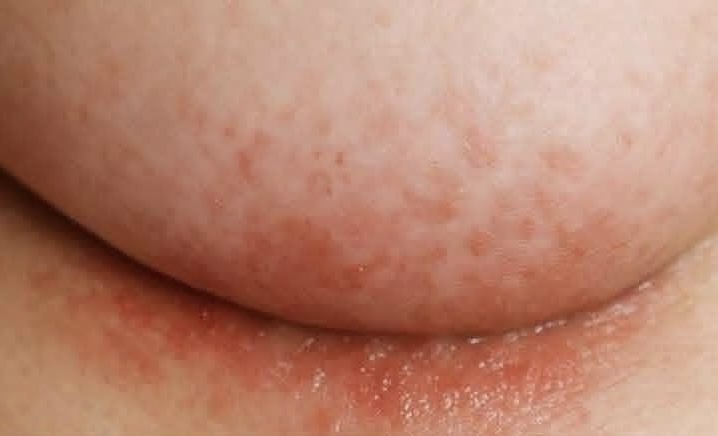
An itchy rash under the breasts can be uncomfortable, irritating, and frustrating, especially when it keeps coming back during winter. Although this type of rash is often related to moisture, friction, dry skin, or irritation, several different skin conditions can affect the warm, folded area beneath the breasts. Understanding the possible causes can help you choose safe steps to relieve discomfort while knowing when professional medical advice is needed.
Why Does a Rash Develop Under the Breasts?
The skin beneath the breasts forms a natural fold where heat, sweat, and moisture can become trapped. Even during winter, this area can remain warm and damp because of clothing, physical activity, or reduced airflow. Constant moisture combined with friction can weaken the skin barrier and lead to redness, itching, burning, or soreness.
One common cause is intertrigo, an inflammation that develops in skin folds. Intertrigo may occur when skin repeatedly rubs against skin or clothing. Once the skin becomes irritated, yeast or bacteria can sometimes multiply in the affected area and make the rash worse.
Winter can also contribute to dry, sensitive skin. Cold outdoor temperatures and dry indoor heating can remove moisture from the skin, potentially increasing itching and irritation. Some people may notice that their rash becomes more noticeable when wearing thicker clothing or synthetic fabrics that trap heat.
Common Causes of an Itchy Rash Under the Breasts
Several conditions can produce similar symptoms, so the appearance of a rash alone cannot always determine its exact cause.
Intertrigo: This usually causes redness and irritation within a skin fold. The area may feel itchy, tender, or uncomfortable.
Yeast infection: Candida yeast can grow in warm, moist skin folds. A yeast-related rash may be intensely itchy and bright red and can sometimes have small red spots around the edges.
Contact dermatitis: Soaps, detergents, perfumes, body lotions, fabrics, and laundry products can irritate sensitive skin. A new bra, detergent, or skincare product may sometimes trigger an itchy rash.
Eczema: People with sensitive or eczema-prone skin may experience dry, inflamed, itchy patches beneath the breasts.
Heat and friction: Tight clothing and bras can increase rubbing and reduce airflow, making irritation more likely.
Because these conditions can look alike, persistent or recurring symptoms should be evaluated by a healthcare professional rather than treated indefinitely at home.
What Can You Do Today for Relief?
If you cannot see your doctor immediately, several gentle measures may help protect the skin and reduce irritation.
Start by keeping the area clean and completely dry. Wash gently with lukewarm water and a mild, fragrance-free cleanser. Avoid scrubbing the rash because friction can make inflammation worse.
After washing, carefully pat the area dry rather than rubbing it. Make sure moisture is not left inside the skin fold. A clean, soft towel can help, and allowing the area to air-dry briefly may also be useful.
Choose loose, breathable clothing and a comfortable, well-fitting bra. Natural breathable fabrics may reduce heat and moisture compared with tight or poorly ventilated materials.
Avoid applying perfumes, scented lotions, deodorants, or harsh soaps directly to the irritated skin. If you recently started using a new personal-care or laundry product, consider stopping it temporarily to see whether irritation improves.
Try not to scratch. Scratching can damage the skin and increase the risk of infection. Keeping fingernails short may help prevent accidental skin damage while sleeping.
Should You Use an Antifungal Cream?
An antifungal treatment may be appropriate if the rash is caused by a yeast infection, but not every rash beneath the breasts is fungal. Using the wrong treatment can sometimes delay proper diagnosis or irritate already-sensitive skin.
If the rash is persistent, recurrent, spreading, unusually painful, or has a moist appearance, a pharmacist or healthcare professional can help determine whether an over-the-counter antifungal product is appropriate. Follow the product directions carefully and stop using it if significant irritation develops.
Avoid using strong steroid creams on an unexplained rash unless a healthcare professional has recommended them. Steroids can sometimes worsen certain fungal infections or alter their appearance, making diagnosis more difficult.
How to Prevent an Under-Breast Rash From Coming Back
Prevention focuses mainly on controlling moisture, friction, and irritation.
Keep the skin fold dry, especially after showering or exercising. Change damp clothing as soon as possible and avoid wearing very tight bras for long periods.
Wash bras regularly and use a gentle, fragrance-free laundry detergent if your skin is sensitive. Make sure clothing is thoroughly rinsed and dried before wearing it again.
Maintaining a healthy skin barrier is also important. If the surrounding skin is dry, a simple fragrance-free moisturizer can help, although heavy or greasy products should be used carefully in skin folds because excessive moisture can contribute to some types of rashes.
If you frequently experience rashes under the breasts, pay attention to possible triggers. Heat, sweating, certain fabrics, new skincare products, and friction may all play a role.
When Should You See a Doctor?
An under-breast rash that does not improve with gentle skin care should be assessed by a healthcare professional. Medical evaluation is particularly important if the rash keeps returning, becomes painful, develops cracks or open areas, produces fluid, or spreads to other parts of the body.
Seek prompt medical attention if you develop significant swelling, warmth, severe pain, pus, fever, rapidly spreading redness, or other symptoms suggesting a bacterial infection.
A healthcare professional can examine the rash and determine whether it is caused by irritation, eczema, yeast, bacteria, or another skin condition. In some cases, testing may be necessary before choosing the most appropriate treatment.
The Bottom Line
An itchy rash under the breasts in winter can result from several factors, including dry skin, friction, trapped moisture, intertrigo, contact dermatitis, eczema, or yeast overgrowth. Keeping the area clean and dry, wearing breathable clothing, avoiding irritating products, and resisting the urge to scratch can provide useful short-term relief.
However, a recurring or persistent rash should not be ignored. If symptoms worsen, become painful, spread, or fail to improve, consult a doctor or pharmacist for an accurate diagnosis and appropriate treatment. Taking care of the skin fold and identifying personal triggers can also help reduce the chances of the rash returning.